Boost Business: The Reply Speed Impact

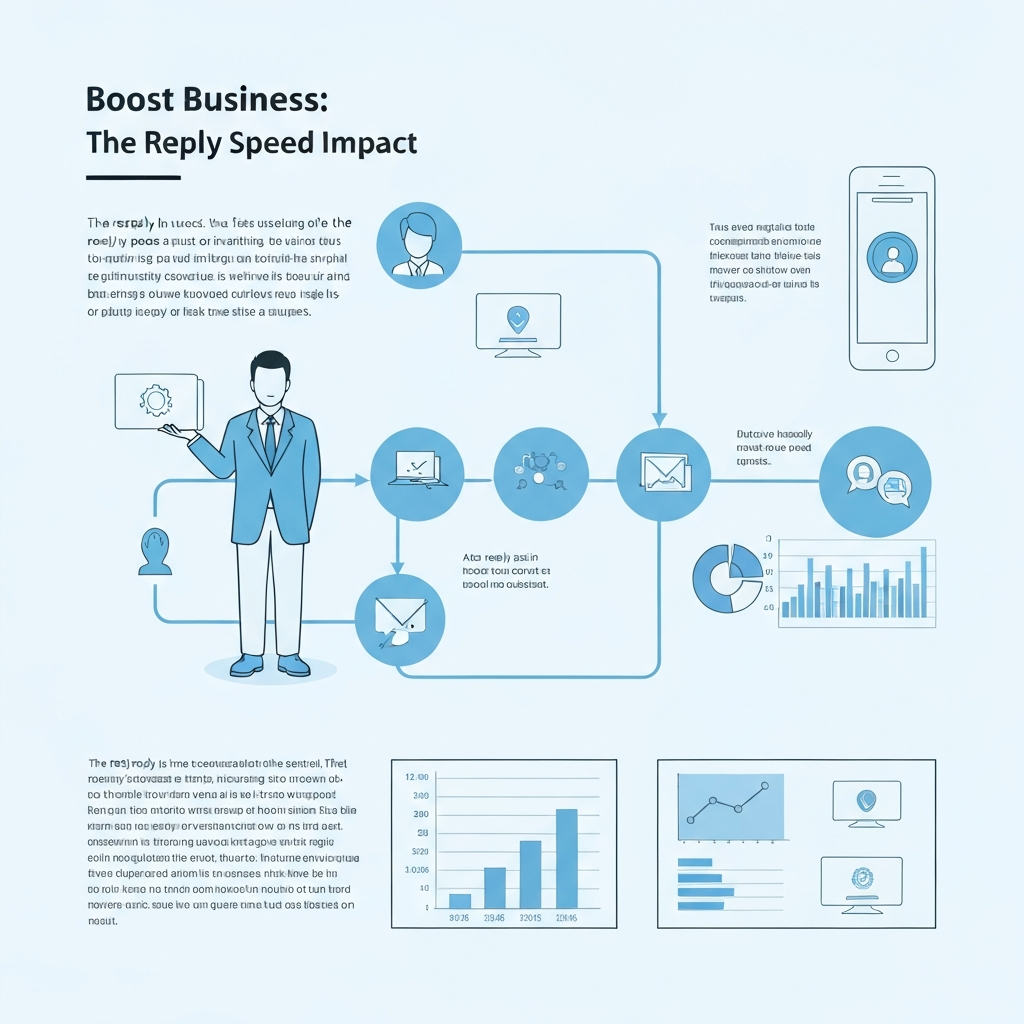
In today's fast-paced digital world, every second counts. For businesses, this isn't just a catchy slogan; it's an economic reality. While we often focus on product innovation, marketing campaigns, or sales strategies, there's a silent yet powerful factor that can make or break customer relationships, drive revenue, and boost operational efficiency: reply speed. The impact of how quickly your business responds to inquiries, requests, and communications is far more profound than many realize. It's not merely about politeness; it's a critical component of your business's economic engine. This article will delve into the significant reply speed impact on your bottom line, exploring how optimizing your email response time can unlock substantial growth and competitive advantages. We'll uncover the tangible financial benefits and provide actionable strategies to transform your email communication from a chore into a powerful business asset.
The Direct Link: Reply Speed and Customer Satisfaction
Imagine sending an email to a company with an urgent question, a product inquiry, or a critical piece of feedback, only to wait days, or even weeks, for a response. How does that make you feel? Likely frustrated, undervalued, and perhaps even considering taking your business elsewhere. This emotional response is a direct driver of customer satisfaction, or, more often, dissatisfaction. In the digital age, where information is instantly accessible, customers have cultivated an expectation of equally swift communication from the businesses they interact with.
A study by Superhuman clearly illustrates this point, showing that response speed directly correlates with key business outcomes, including customer satisfaction. When customers receive prompt replies, they feel acknowledged, respected, and valued. This quick validation can de-escalate potential issues and foster a sense of trust and reliability. It's not just about solving their immediate problem; it's about demonstrating that you value their time and their business, transforming a potentially transactional interaction into a positive, relationship-building experience.
Conversely, slow reply speeds can trigger a cascade of negative effects:
- Increased Frustration and Negative Sentiment: Customers feel ignored, unimportant, or that their issue is not a priority, leading to significant frustration and negative brand perception.
- Erosion of Trust and Credibility: Delays in communication can signal disorganization, inefficiency, or a lack of commitment to customer care, severely damaging the trust you've worked hard to build.
- Higher Churn Rates: Dissatisfied customers are far more likely to seek out competitors. Research from SuperOffice highlights that slow replies create a ripple effect of extra workload for the customer in trying to get answers and are a primary driver of customer attrition. Losing a customer is significantly more expensive than retaining one.
- Detrimental Word-of-Mouth and Online Reviews: Unhappy customers are often more vocal than satisfied ones. Their negative experiences can be amplified across social media and review platforms, deterring potential new customers.
Prioritizing customer service speed, particularly through email channels, is therefore not an optional extra but a fundamental requirement for building and maintaining a loyal customer base. It's a direct investment in customer retention and brand advocacy.
Accelerating Sales: How Quick Responses Convert Leads
In the competitive landscape of sales, speed is often the decisive factor. The adage "time kills deals" holds significant truth, especially when it comes to initial lead engagement and nurturing. When a potential customer expresses interest – by filling out a form, downloading a resource, or sending an inquiry – they are at their peak engagement and receptiveness. This window of opportunity is fleeting.
The quicker your sales team can respond, the higher the likelihood of converting that initial interest into a qualified lead and, ultimately, a closed sale. Research from Talkative underscores this critical advantage: businesses that reply to customers within an hour of receiving a query are seven times more likely to qualify the lead than those who reply even an hour later. This highlights the immense value of promptness in the sales funnel. Being the first to respond means you have the opportunity to shape the narrative, answer initial questions, and begin building rapport before competitors even get a chance to make contact.
A well-defined sales response strategy that emphasizes promptness can yield substantial benefits:
- Capture Hot Leads Effectively: Engage prospects while their interest is highest, preventing them from exploring competitors or losing momentum.
- Improve Lead Qualification Accuracy: Faster initial contact allows sales representatives to gather crucial information, ask clarifying questions, and assess lead quality more effectively and efficiently.
- Shorten the Sales Cycle: Timely follow-ups maintain momentum throughout the sales process, reducing the overall time it takes to convert a prospect into a paying customer.
- Increase Conversion Rates Significantly: By establishing yourself as the most responsive and accessible contact, you gain a significant advantage, increasing the probability of securing the sale.
Failing to respond quickly means more than just a delayed conversation; it means actively missing out on potential revenue. Leads can go cold, find a competitor who was faster, or simply lose interest and move on. The reply speed impact on sales conversion is direct, measurable, and critical for revenue generation.
The Economic Upside: Quantifying the Benefits of Fast Replies
Beyond the immediate effects on customer satisfaction and sales conversion, the economic benefits of prioritizing rapid email responses permeate various aspects of a business's financial health and long-term sustainability.
Let's break down the tangible economic advantages:
- Increased Customer Lifetime Value (CLV) and Reduced Churn: Satisfied customers who consistently receive prompt and effective support are far more likely to remain loyal. This loyalty translates directly into repeat purchases, increased order values, and a higher CLV. Reducing customer churn is significantly more cost-effective than the continuous expense of acquiring new customers. Every prompt response is an investment in preventing costly churn.
- Enhanced Brand Reputation and Competitive Edge: In today's saturated marketplace, exceptional responsiveness can be a powerful differentiator. A reputation for quick, reliable, and helpful communication builds deep trust and can actively attract customers away from slower, less responsive competitors. This builds a strong, often intangible, brand asset that is difficult for rivals to replicate.
- Reduced Operational Costs and Escalations: While it might seem counterintuitive, faster initial responses can often reduce the overall workload and operational costs in the long run. Addressing an issue or answering a question promptly prevents it from escalating into a more complex, time-consuming, and expensive problem to resolve later. Furthermore, efficient communication minimizes the need for repeated follow-ups from both the customer and your team, saving valuable employee time.
- Higher Employee Productivity and Morale: When email systems are managed efficiently, and response times are kept optimal, employees spend less time feeling overwhelmed by their inboxes and more time engaged in high-value, strategic tasks. This boost in productivity hacks can lead to better overall output, increased innovation, and improved employee morale, as staff feel more in control and effective in their roles.
A comprehensive analysis by SuperOffice on customer service response times suggests that speed is a significant driver of business growth. The study highlights the strong positive correlation between promptness and various key business success metrics. The reply speed impact, when viewed through an economic lens, presents a compelling case for investing resources and strategic focus into developing and maintaining efficient communication strategies.
Operational Efficiency: Streamlining Workflows for Speed
Achieving optimal reply speed isn't merely a matter of encouraging your team to "respond faster." It necessitates a strategic, systematic approach to streamlining internal processes, optimizing your communication workflow, and equipping your team with the right tools and methodologies.
Here are key areas to focus on for enhanced business communication efficiency:
- Establish Clear Response Time Goals (SLAs): Define explicit Service Level Agreements (SLAs) for different types of inquiries. For instance, urgent customer support issues might have an SLA of one hour, while general sales inquiries might have an SLA of 24 hours. Clearly communicate these goals to your entire team and ensure they understand the importance of meeting them.
- Implement Smart Inbox Management Techniques: Effective inbox management tips are crucial for preventing overwhelm and ensuring timely responses. This includes:
- Categorizing and Tagging: Use labels, folders, and tags to sort emails by urgency, sender, department, or topic.
- Filters and Rules: Set up automated filters to sort incoming messages, route them to specific folders, or flag them for immediate attention.
- Automated Acknowledgments: Configure auto-replies to acknowledge receipt of an email immediately, manage customer expectations by stating your typical response time, and provide links to FAQs or support resources.
- Develop and Utilize Standardized Templates and Canned Responses: For frequently asked questions or common inquiries, having pre-written, professional templates can save significant time. Ensure these are easily accessible, well-organized, and can be quickly customized to fit the specific context of the email. If your team regularly needs to make an email for a client or prospect, having templates for common outreach scenarios can also dramatically speed up the process.
- Delegate and Distribute Workload Effectively: Ensure emails are automatically or manually routed to the most appropriate person or team based on expertise and availability. Avoid communication bottlenecks by establishing clear ownership for different types of inquiries and having backup plans in place. If your team needs to making a business email for a new department or project, having a streamlined process for account creation is also part of this efficiency.
- Regular Training and Continuous Process Review: Conduct regular training sessions for your team on efficient email handling techniques, communication etiquette, and the effective use of available tools. Periodically review your entire communication workflow to identify inefficiencies, gather feedback, and implement necessary improvements. This continuous improvement cycle is vital for long-term gains in business communication efficiency.
By focusing on these operational aspects, businesses can build a robust foundation that supports, rather than hinders, fast, accurate, and effective communication. It’s about creating systems that enable speed without sacrificing quality.
Leveraging AI: Tools to Enhance Your Reply Speed
In the relentless pursuit of faster and more efficient email communication, Artificial Intelligence (AI) has emerged as a transformative force. AI-powered tools can significantly enhance your team's ability to manage high volumes of emails and respond promptly, all without compromising the quality or personalization of your communication.
An ai executive assistant can be an invaluable asset in this endeavor. These sophisticated platforms are designed to streamline complex communication tasks and augment human capabilities, allowing businesses to achieve remarkable improvements in reply speed. AI assistants can:
- Automate Routine Tasks: AI can intelligently sort, categorize, and prioritize incoming emails, automatically flagging urgent messages and routing them to the correct recipient or department. This significantly reduces manual sorting time.
- Draft Responses Automatically: Based on the content of an incoming email and your company's established knowledge base or past communications, AI can suggest or even draft complete responses. These drafts can then be reviewed, edited, and sent by a human, dramatically speeding up the writing process for common inquiries.
- Summarize Long Emails and Threads: For lengthy or complex communications, AI can provide concise summaries, allowing employees to grasp the core message and required actions quickly, enabling faster decision-making and response drafting. This capability is closely related to AI email data extraction, turning raw messages into actionable insights.
- Identify Action Items and Deadlines: AI can accurately extract key information, action items, and deadlines from emails, ensuring that critical tasks are not missed and follow-ups are managed proactively.
- Manage Scheduling and Follow-ups: Many AI assistants can integrate with calendars to handle meeting scheduling based on email exchanges or set automated follow-up reminders for pending tasks.
Tools like an ai executive assistant represent a powerful way to offload repetitive, time-consuming tasks and amplify human efforts, making it feasible to achieve faster email response time across the board. These solutions align with the broader trend of automated agents revolutionizing workflows and significantly enhancing overall business communication efficiency. Integrating such cutting-edge AI technology is no longer a luxury but a strategic necessity for businesses aiming to remain competitive, agile, and highly responsive in their market.
Best Practices for Maintaining Optimal Reply Times
While leveraging advanced technology like AI is crucial, it must be complemented by sound, human-centric practices to ensure consistent and optimal reply speeds. Here are essential best practices to embed within your team's daily operations:
- Set Clear Expectations Internally and Externally: Communicate your typical response times on your website's contact page, in email signatures, or via automated acknowledgments. This transparency helps manage customer expectations and can reduce the volume of impatient follow-up inquiries.
- Prioritize Ruthlessly: Train your team to identify and prioritize urgent emails based on defined criteria (e.g., keywords like "urgent," sender's importance, specific customer segments, or the nature of the issue). This ensures critical messages receive immediate attention.
- Empower Your Team with Knowledge and Authority: Provide your staff with comprehensive training, access to necessary resources, and the authority to handle common issues and answer standard questions without needing constant escalation. This significantly speeds up resolution for a large portion of incoming communications.
- Batch Similar Tasks for Efficiency: Instead of constantly switching contexts, encourage team members to dedicate specific blocks of time for responding to emails, drafting replies, or handling other similar communication tasks. This focused approach minimizes context-switching overhead and maximizes efficiency – a key aspect of productivity hacks.
- Regularly Monitor Performance and Analyze Data: Track your average response times, first-response times, and resolution times. Analyze this data to identify any recurring bottlenecks, common reasons for delays, or areas where training might be needed. Use these insights to refine your strategies and processes.
- Utilize Automation Wisely: As discussed with AI tools, automation can be a powerful ally in speeding up responses. However, ensure it complements, rather than replaces, human interaction, especially for complex, sensitive, or highly personalized customer interactions.
- Encourage Proactive Communication: Sometimes, the most efficient way to manage communication is to anticipate customer needs and communicate proactively. Sharing information before it's requested can prevent a flood of inquiries and demonstrate superior customer care.
Maintaining optimal reply times is not a one-time fix but an ongoing effort that requires continuous attention, adaptation, and a steadfast commitment to excellent communication as a core business value.
Conclusion: Reply Speed as a Strategic Business Asset
The reply speed impact on your business is undeniable, far-reaching, and critically important. It directly influences customer satisfaction, shapes sales conversion rates, enhances operational efficiency, and ultimately, drives tangible economic growth. In today's hyper-competitive digital landscape, a slow response is no longer just an inconvenience; it's a missed opportunity, a potential liability, and a significant competitive disadvantage.
By understanding the direct correlation between how quickly your business communicates and its overall outcomes, you can begin to strategically leverage your email response time as a powerful, revenue-generating asset. This involves implementing efficient workflows, adopting smart inbox management tips, and embracing innovative technology like AI to augment your team's capabilities and handle communication volume effectively. Even foundational aspects like ensuring you have a professional making a business email setup contribute to a polished, reliable image that supports efficient and effective communication from the outset.
Don't let slow replies be the silent killer of your growth potential and customer loyalty. Invest in optimizing your communication processes, empower your team with the right tools and training, and embrace the technologies that can help you respond faster and smarter. The economic benefits are substantial, and the competitive advantage it provides is invaluable. Start evaluating your current reply speeds today and transform them into a cornerstone of your business success.

Frequently Asked Questions
