Top Email Server Providers for Business Productivity

In today's fast-paced business environment, efficiency isn't just a buzzword; it's the engine that drives success. At the core of daily operations, facilitating communication, collaboration, and critical information exchange, lies the humble yet powerful email server. For any organization, from a budding startup to a sprawling enterprise, the choice of an email server provider is far more than a technical decision – it's a strategic investment in productivity, security, and overall business agility. A robust and reliable email infrastructure ensures that your team stays connected, your data remains secure, and your workflows run smoother than ever. Conversely, a poorly chosen provider can lead to frustrating downtime, security vulnerabilities, and a constant drain on valuable resources. This comprehensive guide will navigate you through the essential factors to consider, explore leading providers, and highlight how modern advancements, particularly in AI, are revolutionizing email management to boost your business productivity.
Key Factors to Consider When Choosing an Email Server Provider
Selecting the right email server provider is a critical decision that impacts every facet of your business operations. It's not just about sending and receiving emails; it's about having a dependable, secure, and scalable communication backbone. Here are the key factors you must evaluate:
- Reliability and Uptime Guarantees: Your business cannot afford to be offline. Look for providers offering Service Level Agreements (SLAs) that guarantee a high percentage of uptime (e.g., 99.9% or higher). This ensures consistent access to your email, regardless of external factors.
- Security Features: In an era of increasing cyber threats, email security is paramount. Essential features include robust spam and malware filtering, end-to-end encryption, virus protection, and secure authentication methods like Two-Factor Authentication (2FA).
- Scalability: As your business grows, your email needs will too. Your chosen provider should offer easy ways to scale up, allowing you to add new users, increase storage space, and access more advanced features without major disruptions or migrations.
- Storage Capacity: Consider how much storage each user will require. Many providers offer tiered plans with varying storage limits per user, from gigabytes to terabytes. Ensure the capacity aligns with your current needs and anticipated growth.
- Features and Integrations: Beyond basic email, what other features are crucial? Think about calendar integration, contact management, collaboration tools (like shared inboxes or team calendars), video conferencing, and compatibility with other business software and productivity suites.
- Customer Support: When issues arise, prompt and effective support is vital. Investigate the provider's support channels (phone, email, chat), availability (24/7 is ideal), and reputation for responsiveness and problem resolution.
- Pricing and Value: Compare pricing models carefully. Most providers offer per-user, per-month subscriptions. Look beyond the sticker price to assess the overall value – what features, support, and security are included for the cost? Be wary of hidden fees.
- Ease of Use and Management: The interface should be intuitive for your end-users, and the administrative console should be straightforward for your IT team to manage accounts, policies, and security settings.
By carefully evaluating these factors, you can narrow down your options and make an informed decision that supports your business's unique requirements and long-term objectives.
Top Email Server Providers: Features, Pricing, and Performance
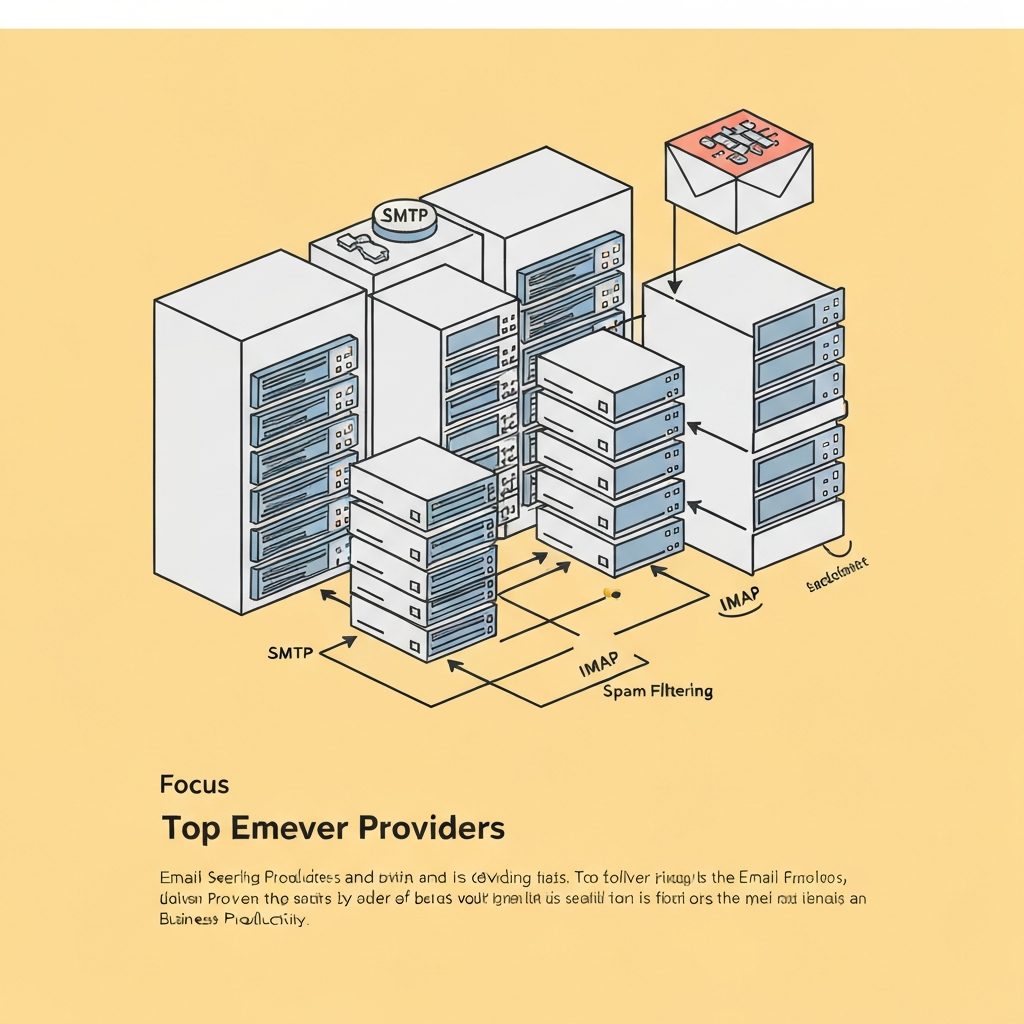
The market is flooded with email server providers, each offering a unique blend of features, pricing, and service levels. For businesses, the most popular and robust solutions often come from major tech players, but niche providers also offer compelling advantages. Here's a look at some of the top contenders:
Google Workspace (formerly G Suite)
Overview: Google Workspace is a comprehensive suite of cloud-based productivity and collaboration tools, with Gmail as its flagship email service. It's renowned for its user-friendly interface, powerful search capabilities, and seamless integration with other Google services like Google Drive, Calendar, and Meet.
Features: Professional Gmail accounts with custom domain names, 30GB to 5TB+ storage per user (depending on the plan), robust spam filtering, strong security measures, real-time document collaboration, and video conferencing.
Pricing: Starts around $6 per user per month for the Business Starter plan, scaling up for more storage and advanced features. This makes it a highly competitive option for businesses of all sizes.
Performance: Google's global infrastructure ensures high reliability and speed. It's an excellent choice for businesses looking for a unified platform that enhances collaboration and communication. For those already familiar with Gmail, the transition to business gmail is effortless.
Microsoft 365 (formerly Office 365)
Overview: Microsoft 365 offers a powerful suite of productivity tools centered around Outlook email, Word, Excel, PowerPoint, and cloud storage with OneDrive. It's a dominant force, particularly in enterprise environments, due to its deep integration with the Windows ecosystem and its comprehensive feature set.
Features: Professional Outlook accounts with custom domains, 50GB to unlimited mailbox storage, advanced threat protection, compliance tools, robust collaboration features via Teams, and access to desktop versions of Office applications on eligible plans.
Pricing: Plans begin around $6 per user per month for Business Basic, with higher tiers offering more storage, desktop apps, and advanced security. It's a strong contender for businesses heavily invested in Microsoft products.
Performance: Microsoft's enterprise-grade infrastructure provides excellent uptime and security. It's ideal for organizations that rely on the Microsoft ecosystem for their daily operations and require a comprehensive solution for email, office productivity, and collaboration.
Zoho Mail
Overview: Zoho offers a suite of business applications, and Zoho Mail is its dedicated email hosting service. It's known for its strong privacy focus, affordability, and a generous free tier, making it an attractive option for small businesses and startups.
Features: Custom domain email, clean and intuitive interface, 5GB to 100GB storage per user, built-in calendar, task management, and chat. It also integrates seamlessly with other Zoho applications.
Pricing: Offers a free plan for one user with 5GB storage. Paid plans start around $1 per user per month for Mail Lite, with more advanced features and storage available at higher tiers.
Performance: Zoho Mail provides reliable service and is a cost-effective solution for businesses seeking essential email functionality without the extensive feature bloat of larger suites. Its focus on privacy is a significant advantage for data-sensitive organizations.
Rackspace Email
Overview: Rackspace has a long-standing reputation in the hosting industry, known for its managed cloud services and dedicated support. Rackspace Email offers a professional-grade email solution that emphasizes reliability and service.
Features: Custom domain email, 25GB mailbox storage, integration with cloud-based productivity tools, and robust security features. Their key differentiator is often their highly-rated customer support.
Pricing: Typically priced around $2.99 per user per month, offering a competitive rate for businesses seeking a dependable, managed email service. (Referenced from Elementor).
Performance: Rackspace prides itself on its infrastructure and support, making it a solid choice for businesses that value dependable service and expert assistance without necessarily needing the full suite of tools offered by Google or Microsoft.
Namecheap Business Email
Overview: Primarily known for domain registration, Namecheap also offers affordable business email hosting solutions. It's a straightforward option for individuals and small businesses needing custom domain email addresses.
Features: Custom domain email, 5GB of storage per mailbox, webmail access, and basic security features. It's designed for simplicity and cost-effectiveness.
Pricing: Very competitive, often starting at around $1.58 per month per mailbox when billed annually. (Referenced from Spark Mail).
Performance: While not as feature-rich as larger suites, Namecheap provides a reliable and affordable solution for basic professional email needs, making it ideal for startups and small businesses on a tight budget.
When comparing these providers, consider your specific needs for collaboration, storage, integration with existing tools, and budget. Each offers a different path to professional email communication.
Security and Compliance: Essential Features for Business Email
The security of your business communications is non-negotiable. A data breach involving sensitive client information, proprietary data, or employee records can have devastating financial and reputational consequences. Therefore, when evaluating email server providers, security and compliance should be at the forefront of your decision-making process.
Key Security Measures to Look For:
- Advanced Threat Protection: This goes beyond basic spam filters. It includes sophisticated systems for detecting and blocking phishing attempts, malware, ransomware, and zero-day threats before they reach your users' inboxes.
- Encryption: Your data should be protected both in transit and at rest. Transport Layer Security (TLS) encrypts data as it travels between your device and the email server, while at-rest encryption protects data stored on the provider's servers.
- Two-Factor Authentication (2FA): This adds a critical layer of security by requiring users to provide two forms of verification (e.g., password and a code from a mobile app) to log in, significantly reducing the risk of unauthorized access even if a password is compromised.
- Secure Authentication Protocols: Providers should support modern protocols like SPF, DKIM, and DMARC, which help verify the authenticity of emails and prevent spoofing.
- Regular Security Audits and Updates: A reputable provider will continuously monitor its systems for vulnerabilities and apply necessary updates and patches promptly.
Compliance Considerations:
Depending on your industry and geographical location, specific compliance regulations may apply:
- GDPR (General Data Protection Regulation): If you handle data of EU citizens, your provider must comply with GDPR standards for data protection and privacy.
- HIPAA (Health Insurance Portability and Accountability Act): For healthcare organizations, ensuring your email provider can offer a Business Associate Agreement (BAA) and meet HIPAA's stringent security rules for protected health information (PHI) is vital.
- Data Sovereignty: Some regulations require data to be stored within specific geographical boundaries. Check if your provider offers options for data residency.
Choosing a provider that prioritizes these aspects offers peace of mind and helps safeguard your business against evolving cyber threats. Investing in secure email solutions is an investment in the integrity and continuity of your business.
Scalability and Reliability: Ensuring Your Email Infrastructure Grows with You
A business's email infrastructure isn't a static entity; it's a dynamic system that needs to adapt to changing demands. Two crucial elements that ensure this adaptability are scalability and reliability.
Scalability: Growing Without Growing Pains
As your business expands, you'll likely experience an increase in the number of employees, the volume of emails, and the storage requirements per user. A scalable email solution means you can seamlessly accommodate this growth without needing to undertake costly and disruptive migrations.
- Adding Users: The process of provisioning new email accounts for new hires should be quick and straightforward, ideally manageable through a self-service admin portal.
- Increasing Storage: As inboxes fill up with attachments and long email chains, the need for more storage space becomes apparent. Scalable providers offer easy upgrades to larger storage plans per user or for the entire organization.
- Feature Upgrades: As your business matures, you might require more advanced features, such as enhanced security, compliance tools, or collaboration capabilities. A scalable provider will have tiered plans that allow you to upgrade your service package as needed.
Ignoring scalability can lead to bottlenecks, user frustration, and ultimately, hinder your business's ability to grow efficiently. Your email infrastructure must be built to support your future aspirations.
Reliability: The Foundation of Communication
For most businesses, email is the primary channel for communication with clients, partners, and employees. Downtime is not just an inconvenience; it can result in lost revenue, missed opportunities, and damage to your professional reputation.
- Uptime Guarantees (SLAs): Look for providers that offer a Service Level Agreement (SLA) guaranteeing a high percentage of uptime, typically 99.9% or higher. This commitment signifies their confidence in their infrastructure's stability.
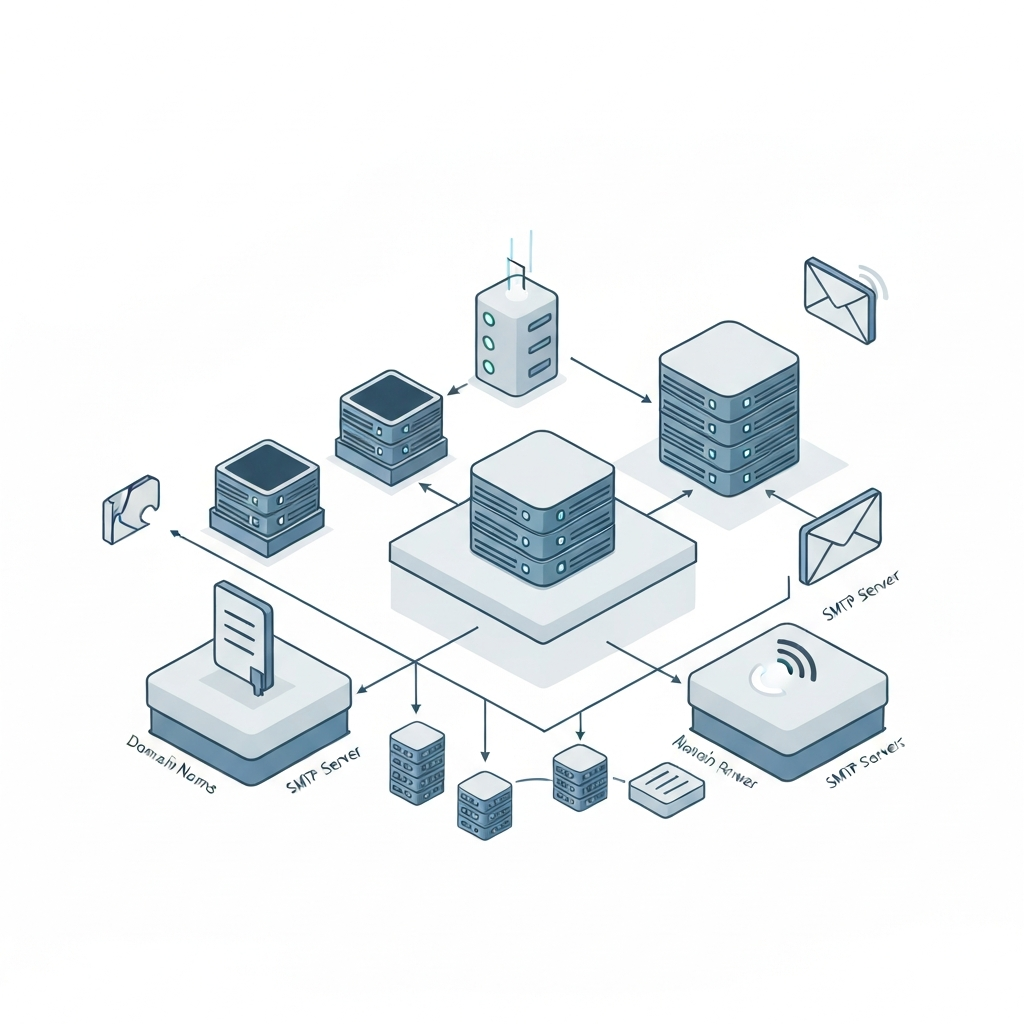
- Redundancy and Failover: Reliable providers employ redundant systems and automatic failover mechanisms. This means if one server or data center experiences an issue, traffic is automatically rerouted to another, ensuring continuous service.
- Disaster Recovery: Understanding the provider's disaster recovery plan is crucial. This outlines how they would restore services and data in the event of a catastrophic event.
- Network Performance: Beyond just being available, the email service needs to be fast and responsive. This depends on the provider's network infrastructure and data center locations.
Choosing providers with a proven track record for reliability and offering clear SLAs provides assurance that your critical business communications will remain uninterrupted. This is fundamental for maintaining operational continuity and trust with your stakeholders.
AI Integration: Leveraging AI for Enhanced Email Management
The role of email in business is evolving, and Artificial Intelligence (AI) is at the forefront of this transformation, promising to unlock new levels of productivity and efficiency. Modern email server providers are increasingly incorporating AI capabilities directly into their platforms, while also offering compatibility with external AI-powered tools.
AI's Impact on Email Productivity
AI is no longer just a futuristic concept; it's actively reshaping how we manage our inboxes. Here's how:
- Intelligent Filtering and Organization: AI algorithms can learn your communication patterns to better categorize incoming emails, prioritize important messages, and automatically sort newsletters or promotional content. This helps combat inbox overload, allowing you to focus on what truly matters. Features like smart inbox sorting and advanced spam detection are becoming standard.
- Automated Responses and Drafting: AI can suggest quick replies to common questions or even draft entire emails based on brief prompts or previous correspondence. This dramatically speeds up response times and reduces the cognitive load on employees.
- Sentiment Analysis: Some advanced AI tools can analyze the tone of incoming messages, helping you gauge urgency or customer satisfaction more effectively.
- Task Management and Follow-ups: AI can identify action items within emails and suggest creating calendar events or tasks, ensuring nothing falls through the cracks. It can also help schedule follow-ups automatically.
- Contextual Information: AI can pull relevant information from your CRM or other business tools directly into your email interface, providing context for client communications without needing to switch applications.
Choosing Providers with AI Capabilities or Compatibility
When selecting an email server provider, consider their native AI features or their openness to integrating with AI productivity platforms. Major providers like Google Workspace and Microsoft 365 are embedding more AI features into their core offerings, such as smart compose, smart reply, and intelligent search.
For businesses looking to supercharge their email management beyond what native features offer, integrating with specialized AI tools is key. Tools like an ai executive assistant can help streamline your workflow by automating repetitive tasks, prioritizing communications, and even drafting responses. For businesses looking to truly leverage AI for enhanced email management, exploring platforms that offer such advanced capabilities is crucial. Modern ai executive assistant solutions can significantly reduce inbox clutter and free up valuable time for strategic work. These tools often integrate seamlessly with popular email clients and servers, acting as a powerful layer of intelligence on top of your existing email infrastructure.
Examples of AI-powered email productivity tools:
- Smart Inbox Sorters: Tools that use AI to automatically categorize and prioritize your emails, helping you manage your inbox more effectively.
- AI Note Takers: These can listen in on meetings or process voice notes to generate summaries and action items, which can then be easily shared via email.
- Personal Assistant Apps: Many apps leverage AI to manage your schedule, filter important emails, and handle follow-ups, essentially acting as a digital assistant for your inbox.
By embracing AI, businesses can transform their email from a potential time sink into a powerful tool for efficiency, collaboration, and strategic advantage. This focus on AI email management is no longer optional for forward-thinking organizations.
Comparing Email Server Providers: A Deep Dive for Business Needs
With a clearer understanding of the critical factors and the growing importance of AI, it's time to approach the actual email server comparison. There's no single "best" provider; the ideal choice depends entirely on your specific business context. Here’s a framework to guide your comparison:
1. Define Your Core Requirements:
- User Count: How many employees need email access now, and what is your projected growth over the next 1-3 years?
- Budget: What is your allocated budget per user per month/year? Consider both direct costs and potential hidden fees.
- Essential Features: List must-have features. Is it just email, or do you need integrated calendars, cloud storage, collaboration tools, video conferencing, or specific industry-compliant security?
- Technical Expertise: Do you have an in-house IT team, or do you need a provider that offers extensive managed services and support?
- Integration Needs: What other software does your business rely on (CRM, project management, etc.)? Ensure the email provider integrates smoothly.
- Security and Compliance: What are your absolute minimum security standards? Are there specific regulatory requirements you must meet?
2. Evaluate Providers Against Your Criteria:
Use the information from the "Top Providers" section and your own research to create a comparison matrix. For each provider, assess:
- Feature Set vs. Cost: Does the pricing align with the features offered? Are there tiered plans that make sense for your business size and needs? For example, Google Workspace offers significant business productivity tools starting at competitive price points.
- Scalability Path: How easy is it to add users or upgrade storage? What are the cost implications of scaling up?
- Security & Compliance Robustness: Do they meet your required security standards? Do they offer specific compliance certifications or data residency options if needed?
- Reliability & Support: What is their uptime SLA? What are customer reviews like for their support?
- AI Capabilities: Do they offer built-in AI features that align with your goals? Are they compatible with AI productivity platforms you might consider?
3. Consider Specialized Needs:
- Small Businesses & Startups: Look for affordability, ease of use, and essential features. Zoho Mail or Namecheap Business Email might be excellent starting points.
- Growing SMBs: Google Workspace or Microsoft 365 Business plans offer a good balance of features, scalability, and collaboration tools.
- Enterprises: Microsoft 365 Enterprise or higher tiers of Google Workspace are often preferred for their comprehensive security, compliance, and advanced management capabilities. Providers like Rackspace can offer tailored managed solutions.
- Privacy-Focused Organizations: Consider providers like ProtonMail if end-to-end encryption and user privacy are your absolute top priorities, though they may offer fewer integrations.
A thorough email server comparison tailored to your specific business needs ensures you select a provider that not only meets your current requirements but also supports your future growth and productivity ambitions. Remember, your email is a critical piece of your email infrastructure.
Conclusion: Selecting the Best Email Server Provider for Your Business Goals
In conclusion, your choice of an email server provider is a foundational decision that profoundly impacts your business's productivity, security, and operational efficiency. We've explored the critical factors ranging from reliability and security to scalability and the transformative potential of AI integration. The landscape of email servers providers is diverse, with options like Google Workspace and Microsoft 365 offering comprehensive suites, while providers such as Zoho Mail and Namecheap cater to specific budget and feature needs. Meanwhile, specialized services and the integration of AI tools are pushing the boundaries of what's possible in email management.
By meticulously evaluating your business's unique requirements – from user count and budget to essential features and compliance needs – you can navigate the complexities of email server comparison effectively. Prioritizing providers that offer robust security, guaranteed uptime, and seamless scalability ensures your email infrastructure can support your growth without interruption. Furthermore, embracing AI-driven solutions, whether built-in or through third-party integrations like an ai executive assistant, can unlock significant productivity gains, automating tasks and streamlining communication.
Don't underestimate the power of a well-chosen email service. It's more than just a communication tool; it's a strategic asset. Take the time to research, compare, and select the provider that best aligns with your business goals. A smart choice today will pave the way for enhanced efficiency, better security, and sustained success tomorrow. Consider how mastering your inbox and leveraging smart tools can further amplify these benefits, making your email work *for* you, not against you. If you're looking to streamline your inbox and boost productivity, exploring advanced AI tools is a wise next step.
Frequently Asked Questions
